
Ethical Wildcrafting: A Practical Guide to Responsible Wildcrafting Methods

Wildcrafting connects us deeply with nature. It’s about harvesting plants, herbs, and fungi from the wild in a way that respects the environment and ensures these resources thrive for generations. But how do we do this responsibly? How can we enjoy the bounty of the wild without causing harm? Let’s explore practical, actionable steps to practice ethical wildcrafting and embrace responsible wildcrafting methods.
Embracing Responsible Wildcrafting Methods
When we talk about responsible wildcrafting methods, we mean harvesting with care, respect, and sustainability. It’s not just about what we take but how we take it. Here are some key principles to keep in mind:
Know Your Plants: Identification is crucial. Misidentifying plants can lead to harvesting the wrong species, some of which may be endangered or toxic. Use reliable field guides or apps, and when in doubt, consult experts.
Harvest Selectively: Take only what you need. Avoid stripping entire plants or large patches. For example, if you’re gathering wild garlic, pick a few leaves from many plants rather than all leaves from a few.
Leave Enough Behind: Plants need to reproduce and sustain their populations. Leaving at least two-thirds of the plant or patch untouched helps ensure future growth.
Avoid Sensitive Areas: Steer clear of protected lands, private property without permission, and habitats that are fragile or recovering from disturbance.
Use Sustainable Tools: Use scissors or knives to cut plants cleanly rather than pulling or digging, which can damage roots and soil.
By following these methods, we protect ecosystems and promote biodiversity. It’s a win-win for us and the environment.

Wild herbs thriving in their natural environment, ready for responsible harvesting.
How to Prepare for Ethical Wildcrafting
Preparation is key to successful and ethical wildcrafting. Here’s how we can get ready:
Research Local Regulations
Different regions have different rules about wild harvesting. Some plants may be protected by law. Check with local authorities or conservation groups before you head out.
Plan Your Trip
Choose locations known for healthy plant populations. Avoid areas that have been overharvested or are ecologically sensitive.
Gather the Right Gear
Bring a field guide, gloves, a basket or cloth bag (avoid plastic bags), pruning shears, and a small trowel if digging is necessary and permitted.
Learn Plant Identification
Spend time learning to identify plants accurately. Join local foraging groups or workshops to gain hands-on experience.
Respect Wildlife and Habitats
Move gently through the environment. Avoid disturbing animals or damaging other plants.
By preparing thoughtfully, we set ourselves up for a rewarding and responsible wildcrafting experience.
What is the 1 3 Rule for Foraging?
One of the simplest and most effective guidelines for ethical wildcrafting is the 1 3 rule. This rule helps us harvest sustainably and protect plant populations.
Take only one-third of the available plant material from any given area.
Leave two-thirds untouched to allow the plant to continue growing and reproducing.
For example, if you find a patch of wild berries, pick only a third of the berries from each bush. This ensures that the plants can regenerate and wildlife still has access to food.
This rule is easy to remember and applies to many types of wildcrafting, from herbs to mushrooms. It’s a practical way to balance our needs with nature’s health.
Tips for Ethical Harvesting and Post-Harvest Care
Harvesting is just one part of wildcrafting. How we handle plants after picking matters too. Here are some tips:
Harvest in the Morning
Plants are often freshest and most potent early in the day.
Use Clean Tools
Prevent contamination by cleaning your scissors or knives before and after use.
Handle Plants Gently
Avoid bruising or crushing herbs and flowers.
Dry or Store Properly
If you’re drying herbs, do so in a cool, dark, and well-ventilated space. For fresh use, store in breathable containers.
Share and Educate
Spread the word about ethical wildcrafting. Sharing knowledge helps build a community of responsible harvesters.
By caring for plants after harvest, we honor their value and maximize their benefits.
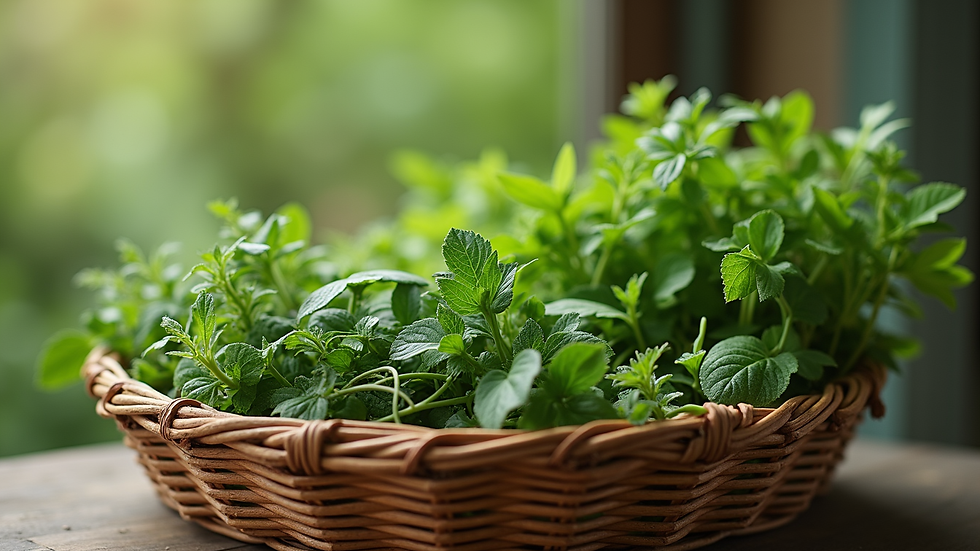
Freshly harvested wild herbs collected with care, ready for sustainable use.
Building a Sustainable Wildcrafting Community
Wildcrafting is more than a solo activity - it’s a chance to connect with others who share our values. Here’s how we can foster a sustainable wildcrafting community:
Join Local Groups
Many areas have foraging clubs or environmental organizations. These groups offer education, support, and shared experiences.
Participate in Workshops
Hands-on learning with experts deepens our understanding and skills.
Advocate for Conservation
Support policies and initiatives that protect wild habitats and plant diversity.
Share Resources
Use platforms like myHerb to find sustainable products and connect with like-minded individuals.
By working together, we amplify our impact and help create a global movement toward environmental responsibility. If you want to dive deeper, check out this ethical wildcrafting guide for more detailed insights.
Our Role in Protecting Nature Through Wildcrafting
Every time we step into the wild to gather plants, we make a choice. We can either take without thought or harvest with intention and care. Responsible wildcrafting methods empower us to be stewards of the earth.
Let’s commit to:
Respecting the land and its inhabitants.
Harvesting sustainably to ensure future abundance.
Educating ourselves and others about ethical practices.
Supporting platforms and businesses that prioritize sustainability.
Together, we can enjoy the gifts of nature while preserving them. Wildcrafting is not just about gathering plants - it’s about nurturing a relationship with the natural world that lasts.
By embracing these principles and practices, we contribute to a healthier planet and a more sustainable future. Let’s wildcraft with heart, respect, and responsibility.


Comments